
What Does It Mean to Live Authentically?
A psychological exploration of authenticity, identity and the roles women inhabit across their lives.
A Research Study on Women and the Power of Living Aligned
THE AUTHENTICITY RESEARCH
Original qualitative research conducted 2022–2023
Diana Rogerson | MSc Psychology
About the Study
This qualitative research began with a deceptively simple question:
What does it mean to live authentically — and how do we know when we are?
Through in-depth interviews with 29 women between the ages of 30 and 60, I explored how women understand and experience authenticity across different stages of adult life. Rather than treating authenticity as a fixed personality trait or an ideal to be achieved, the research listened closely to women's lived experiences — the choices they make, the roles they inhabit, the expectations they navigate and the moments that lead them to question who they have learned to be.
The primary analysis focused particularly on the experiences of women in their forties, a period in which questions of identity, relationships, work, responsibility and personal agency often became especially visible within the participants' accounts. What emerged was a much more complex picture of authenticity: not simply "being yourself", but an ongoing relationship between who we have been shaped to become and who we consciously choose to be.
The research has since become an important foundation for my continuing work on authenticity, self-authorship and human development, and informs both the philosophy behind The Incharge Way and and a wider body of writing and research currently in development.
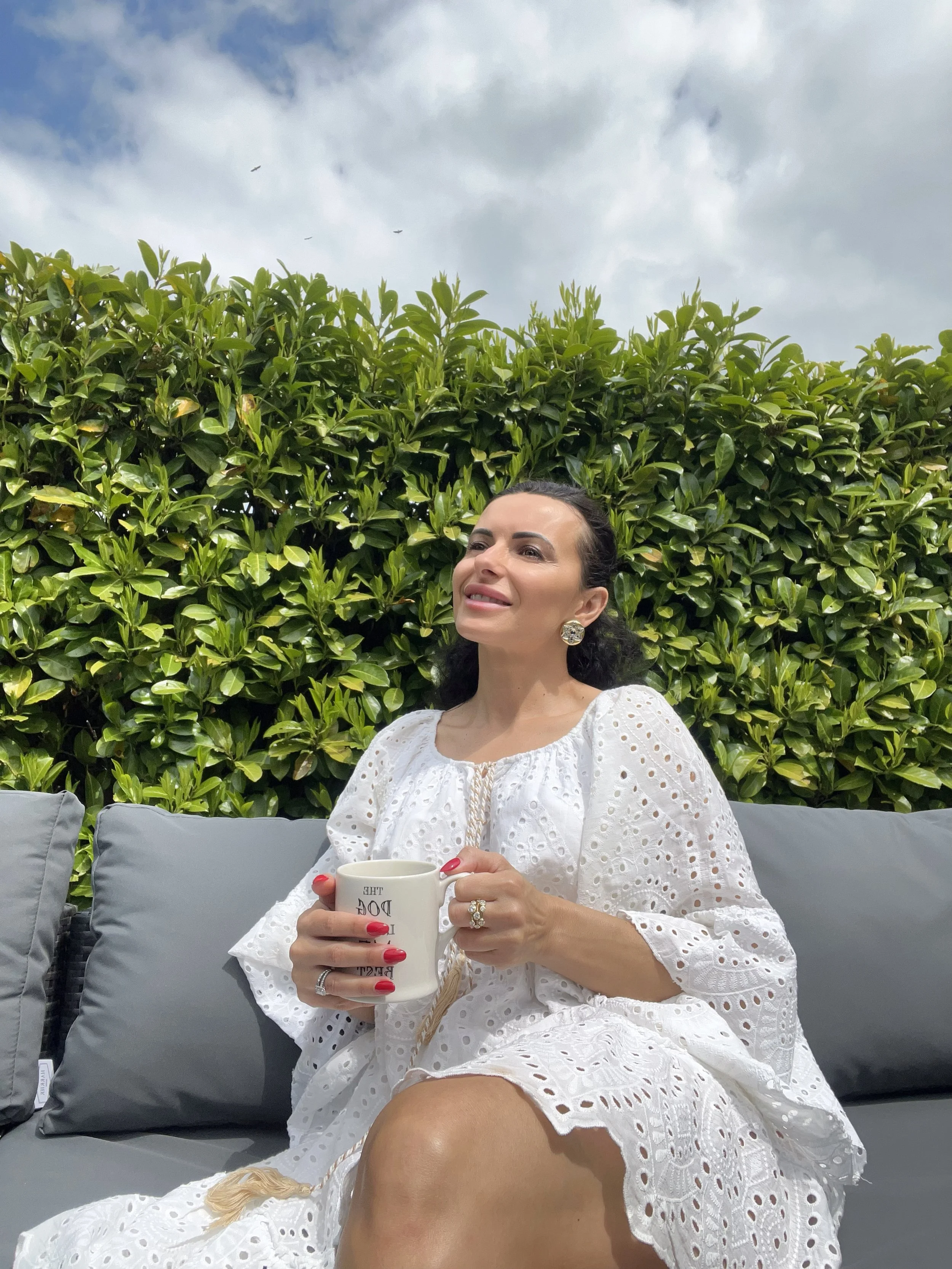
Meet the researcher

The research was conducted by Diana Rogerson as part of her postgraduate study in psychology and has since become one of the foundations of the Incharge approach to authenticity, self-authorship and human development.
themes We Discovered
-
Redefining leadership as influence rooted in integrity, not hierarchy. Women expressed quiet power, boundary-setting and values-driven guidance.
-
Authenticity was often linked to speaking up — for themselves, for others and in systems where they were once silent.
-
Self-care became a priority. Women described learning to focus on emotional, physical and spiritual wellbeing after years of self-neglect.
-
Midlife was described as a metamorphosis. Participants embraced personal evolution, creative rebirth and letting go of outdated roles.
-
Authenticity was not static — it was lived through moment-to-moment decisions, saying no, walking away or choosing differently.
But the themes were only the beginning.
As I continued working with the women's accounts — particularly those of women navigating midlife — a deeper pattern began to emerge. The research suggested that authenticity may be less about discovering a fixed "true self" and more about how we negotiate the forces that have shaped us, discern what genuinely belongs to us and increasingly become authors of our own lives.
This developing body of work now informs my writing, research and the philosophy behind The Incharge Way.
More coming Soon
IN THEIR OWN WORDS
Behind every concept is a lived experience.

Share Your Experience
of Authenticity
This study may be complete — but the conversation is just beginning.
Every woman has her own definition of what authenticity feels like. I'd love to hear from you:
What does authenticity mean to you?
What roles are you letting go of — or reclaiming?
What keeps you aligned with your truth?
Want More on Authenticity & living aligned?
Get notified when full findings are being published
New essays, tools and reflections
Invitations to upcoming workshops, talks or interviews
Behind-the-scenes insights from the research journey




Connect on Instagram for news on the research @inchargewellbeing