
Activation & embodiment —how change becomes lived
Insight may awaken something in us. Embodiment is what allows that change to enter everyday life.
There are moments when something inside us shifts: a conversation changes the way we see something, a pattern becomes impossible to ignore, a decision that once felt distant suddenly feels ready, an idea arrives with unusual clarity. We recognise that something needs to move. These moments can feel powerful. They can create energy, certainty or a sense of possibility. But they are only the beginning because recognising change and living change are not the same thing. That distinction is where activation and embodiment begin.
Activation is the moment something becomes possible
Activation is the point at which an idea, desire or realisation acquires energy. Something that was previously vague becomes more immediate. We might think: I am ready, I cannot keep doing this in the same way, this matters, I want something different. Activation can come through reflection, through loss, through frustration, through inspiration, through therapy, coaching, meditation, conversation, creative work or simply reaching a point at which an old way of living no longer feels sustainable. It is the spark. But a spark is not yet a fire we know how to tend.
Embodiment begins when the insight reaches behaviour
Embodiment is what happens when a realisation begins to affect the way we actually live. Not only what we think but what we choose, what we tolerate, what we say, what we stop doing, how we use our time, how we respond when an old pattern is triggered, how we behave in relationships. This is where change becomes visible. You may understand that you need stronger boundaries, embodiment is saying no. You may realise that you need more rest, embodiment is allowing yourself to stop. You may recognise that a relationship dynamic no longer works, embodiment is changing how you participate in it. You may know that you want a different life, embodiment is making the first choice that belongs to that life.
Activation can feel exciting., embodiment often feels unfamiliar.
This is one of the reasons change can be confusing. The moment of realisation may feel energising yet the reality of behaving differently may feel uncomfortable. You can feel absolutely certain that a boundary is necessary and still experience guilt when you hold it. You can know that slowing down is healthy and still feel restless when you do. You can understand that another person's approval is not required and still feel anxious when it is withheld. That discomfort does not automatically mean the new direction is wrong. It may simply mean it is new. We are wired for familiarity, yet embodiment asks us to remain with that unfamiliarity long enough for another way of living to become possible.
The body is part of the process
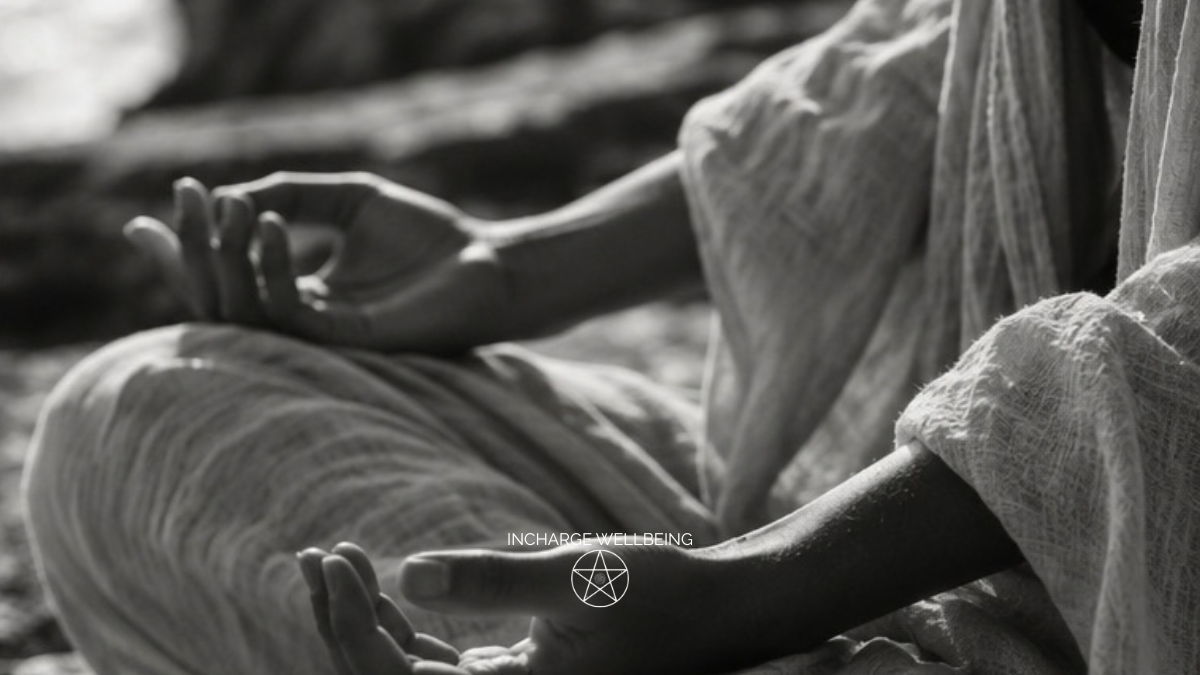
Change is not purely intellectual, we experience it physically: tension, relief, tiredness, restlessness, expansion, contraction, excitement, fear. Sometimes our body responds to a situation before our mind has fully understood what is happening. That does not mean every physical response contains a definitive answer, but it does mean the body offers information. Embodiment involves learning to notice that information rather than treating the body as something we simply carry around beneath the thinking mind.
Ask:
What happens in my body when I imagine this choice?
Where do I tighten?
Where do I soften?
What happens when I say yes?
What happens when I imagine saying no?
These questions do not make the decision for us. They broaden the conversation.
Values become real through behaviour
One of the clearest forms of embodiment is the way our values become visible. It is easy to say that something matters to us, yet the more revealing question is: Where can I see that value in my life? If freedom matters, where have you created it? If family matters, where does your time reflect that? If creativity matters, where have you given it space? If wellbeing matters, what happens when your body asks you to stop? If integrity matters, what do you do when honesty becomes inconvenient? Values are not simply ideas we identify with, they become meaningful when they shape how we live.
Small actions often matter more than dramatic ones
There is a tendency to imagine change in large gestures: leaving, starting, moving, ending, launching, transforming. Sometimes life does require those decisions, but much of embodiment happens through smaller acts: going to bed earlier, sending the email, speaking more clearly, not replying immediately, creating one hour of space, turning down something you do not want, taking one step towards something you do, repeating one supportive practice. These decisions may appear insignificant, but repeated actions gradually create a different life.
Ritual can help us mark change
Human beings have always used rituals to mark transitions: beginnings, endings, grief, commitment, seasons, thresholds. A ritual does not need to be elaborate or mystical. It can simply create a moment in which we acknowledge: something is changing here. You might write down what you are leaving behind, light a candle before making a commitment, walk somewhere alone, plant something, create a symbol, mark a date, use an object that reminds you of what you are choosing. The ritual itself does not create the transformation, but it can give intention a physical form. And sometimes that helps us remember.
Natural cycles can offer useful moments of reflection
This article was originally written around a Last Quarter Moon, when I was thinking about integration and how change becomes grounded in everyday life. I still think natural cycles can offer beautiful points of reflection: the Moon, the seasons, birthdays, anniversaries, the end of a year, the beginning of another. These cycles do not have to dictate what we do. They can simply give us moments to pause, to ask: What has changed? What have I learned? What am I ready to carry forward? What no longer belongs? Where does something need to become more lived? Used this way, astrology and natural cycles become frameworks for reflection rather than authorities over our lives.
Embodiment requires repetition, not perfection
There will be moments when you return to the old pattern. You may hold a boundary one day and abandon it the next, speak clearly in one conversation and retreat in another, trust yourself one week and doubt yourself the next. This does not mean nothing has changed. Embodiment develops through repetition: we notice, we practise, we forget, we remember, we choose again. Over time, the space between knowing and living begins to narrow.
Activation without embodiment can become another form of consumption
We live in a culture rich in insight: books, podcasts, courses, therapy, coaching, social media, retreats, personality systems, spiritual practices. There is always another explanation available, another breakthrough, another framework, another piece of knowledge. But at some point, more insight may not be what is needed. The question becomes: What am I doing differently because of what I already know? That question can be much more challenging than finding another answer. It can also be much more transformative.
Change becomes real in the way we live
Activation matters: it gives energy to possibility, it can help us recognise that another way exists. But embodiment is where the deeper work happens. It is where an idea becomes behaviour, where a value becomes a choice, where insight becomes relationship, where intention becomes practice, where something we once understood intellectually begins to become part of who we are. Not all at once, not perfectly, but gradually. Perhaps that is what meaningful change actually looks like. Not becoming somebody entirely new, but beginning to live more fully in accordance with what we already know to be true.
Questions to sit with
What feels activated in me at the moment?
What have I understood that I have not yet begun to embody?
Where is there still a gap between my values and my everyday choices?
What feels uncomfortable simply because it is unfamiliar?
What small action would make this change more real?
What practice, ritual or reminder might help me return to it?
If you would like to explore what feels genuinely yours and where your life may be asking for greater alignment, begin with the Authenticity Reflection.